
Introduction
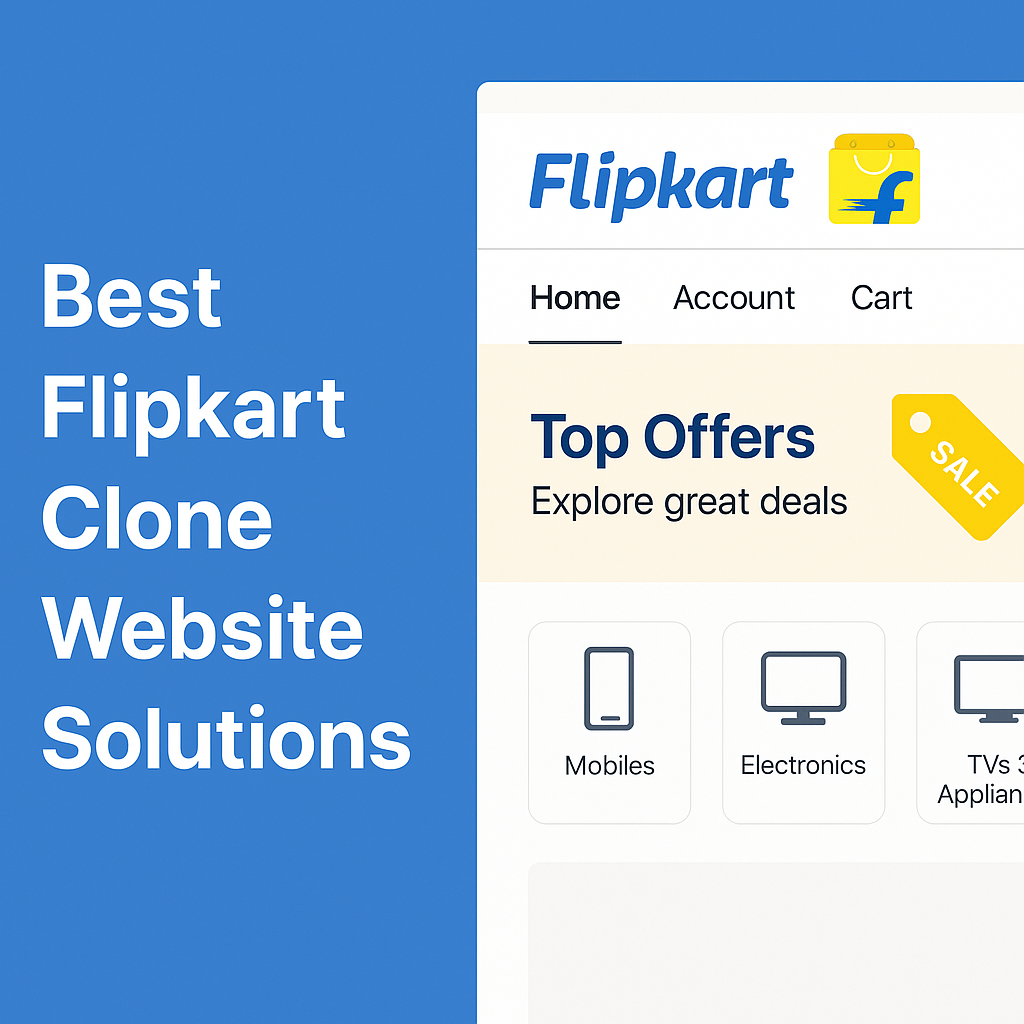
E-commerce is booming, and businesses are increasingly looking for high-performing marketplace solutions like Flipkart. A Flipkart clone website provides an opportunity to create a robust online marketplace that replicates the functionalities of Flipkart while allowing customization to cater to specific business needs. Developing a Flipkart clone website can be a game-changer for startups and entrepreneurs entering the e-commerce industry.
Key Features of a High-Performing Flipkart Clone Website
A successful Flipkart clone website should include essential features to ensure a seamless user experience and efficient operations. Key features include:
- User-friendly Interface: An intuitive UI/UX ensures smooth navigation.
- Advanced Search & Filters: Helps users find products quickly.
- Multi-Vendor Support: Allows multiple sellers to list products.
- Secure Payment Gateways: Enables hassle-free transactions.
- Mobile Responsiveness: Optimized for mobile and tablet devices.
- Scalability & Performance: Ensures high-speed performance even with heavy traffic.
- Personalized Recommendations: Uses AI to suggest products.
- Order Tracking & Notifications: Real-time order status updates.
- SEO Optimization: Helps rank the website higher on search engines.
- Customer Reviews & Ratings: Builds trust among buyers.
Step-by-Step Guide to Building a Flipkart-Like E-commerce Website
- Market Research & Planning
- Choosing the Right Tech Stack
- Designing a Responsive UI/UX
- Developing Core Functionalities
- Integrating Payment Gateways
- Ensuring Security Measures
- Testing and Debugging
- SEO Optimization
- Launching the Website
- Marketing & Scaling
Best Tech Stack for Developing a Flipkart Clone Website
Choosing the right technology stack is critical for performance and scalability. The recommended stack includes:
- Frontend: React.js, Angular, or Vue.js
- Backend: Node.js, Django, or Laravel
- Database: MySQL, PostgreSQL, or MongoDB
- Payment Integration: Stripe, Razorpay, or PayPal
- Cloud Hosting: AWS, Google Cloud, or Azure
Cost Analysis: How Much Does It Take to Build a Flipkart Clone?
The development cost of a Flipkart clone website depends on various factors like features, technology stack, and developer expertise. Estimated costs:
- Basic Version: $5,000 – $10,000
- Intermediate Version: $15,000 – $30,000
- Advanced Version: $50,000+
Essential Monetization Strategies for a Flipkart Clone Website
- Commission-Based Model
- Subscription Plans for Sellers
- Advertisement & Sponsored Listings
- Affiliate Marketing
- Freemium Model
Challenges in Flipkart Clone Development & How to Overcome Them
Common Challenges:
- Scalability issues
- Security vulnerabilities
- Vendor onboarding difficulties
Solutions:
- Use a robust hosting solution
- Implement SSL & encryption protocols
- Provide seller training programs
UI/UX Best Practices for a Flipkart Clone Website
- Keep navigation simple
- Use high-quality images
- Optimize page speed
- Implement easy checkout
- Offer guest checkout options
Security Features Every Flipkart Clone Website Must Have
- SSL Encryption
- Two-Factor Authentication
- Data Backup & Recovery
- Anti-Fraud Systems
- DDoS Protection
How to Integrate Multiple Payment Gateways in a Flipkart Clone
- Choose reliable gateways (PayPal, Stripe, Razorpay)
- Ensure PCI compliance
- Use API-based integration
- Enable multi-currency support
Inventory & Order Management in a Flipkart Clone Website
- Implement automated stock updates
- Provide real-time tracking
- Set up warehouse management
How to Onboard Sellers & Expand Your Flipkart Clone Marketplace
- Create a seamless registration process
- Provide training & guidelines
- Offer marketing support for sellers
SEO Strategies to Rank Your Flipkart Clone Website
- Optimize product pages with keywords
- Build high-quality backlinks
- Use structured data for rich snippets
Best Digital Marketing Practices for Flipkart Clone Websites
- Social media marketing
- Email marketing campaigns
- Paid advertising strategies
- Influencer collaborations
How to Scale and Optimize a Flipkart Clone for High Traffic
- Use Content Delivery Networks (CDN)
- Optimize database queries
- Implement load balancers
- Upgrade to scalable hosting
Future Trends in E-commerce & Flipkart Clone Website Solutions
- AI-driven personalization
- Voice search optimization
- AR/VR integration for product previews
The Role of AI & Personalization in a Flipkart Clone
- AI-powered chatbots for customer support
- Personalized product recommendations
- Automated pricing strategies
How to Provide Excellent Customer Support for Your Flipkart Clone
- 24/7 live chat support
- AI-driven ticketing system
- Self-help knowledge base
Flipkart Clone vs. Other E-commerce Solutions: A Comparison
| Feature | Flipkart Clone | Other Solutions |
|---|---|---|
| Multi-vendor support | Yes | Limited |
| Customization | High | Varies |
| Cost | Moderate | High |
| Scalability | Excellent | Limited |
Case Studies: Successful Flipkart Clone Websites & Their Growth Strategies
Several businesses have successfully launched Flipkart-like marketplaces by focusing on:
- Strong vendor relationships
- Aggressive digital marketing
- Seamless UI/UX
Conclusion
Building a Flipkart clone website requires careful planning, the right technology, and effective marketing strategies. By leveraging AI, personalization, and secure payment systems, businesses can create a high-performing e-commerce platform that attracts customers and ensures long-term growth. With the right approach, a Flipkart clone website can become a thriving online marketplace.