Introduction: Why Modernization Matters for Today’s Businesses
It takes more than just a strong online presence for entrepreneurs, digital marketers, and forward-thinking business owners to remain competitive in the fast-paced world of today. It also calls for technological systems that are flexible, effective, and prepared for the future. However, a lot of businesses continue to use antiquated, legacy software, which hinders growth, restricts scalability, and uses up resources.
Modernizing legacy software can change everything in this situation. We at Talentrise Technokrate Pvt Ltd have assisted companies that were having trouble with antiquated systems in becoming more efficient, creative, and expansion-ready businesses.
This blog will cover the definition, procedures, advantages, professional advice, real-world examples, and frequently asked questions related to modernizing legacy systems. At the end, you will have a plan for updating your technology without sacrificing the core functions of your company.
What Is Legacy Software Modernization?
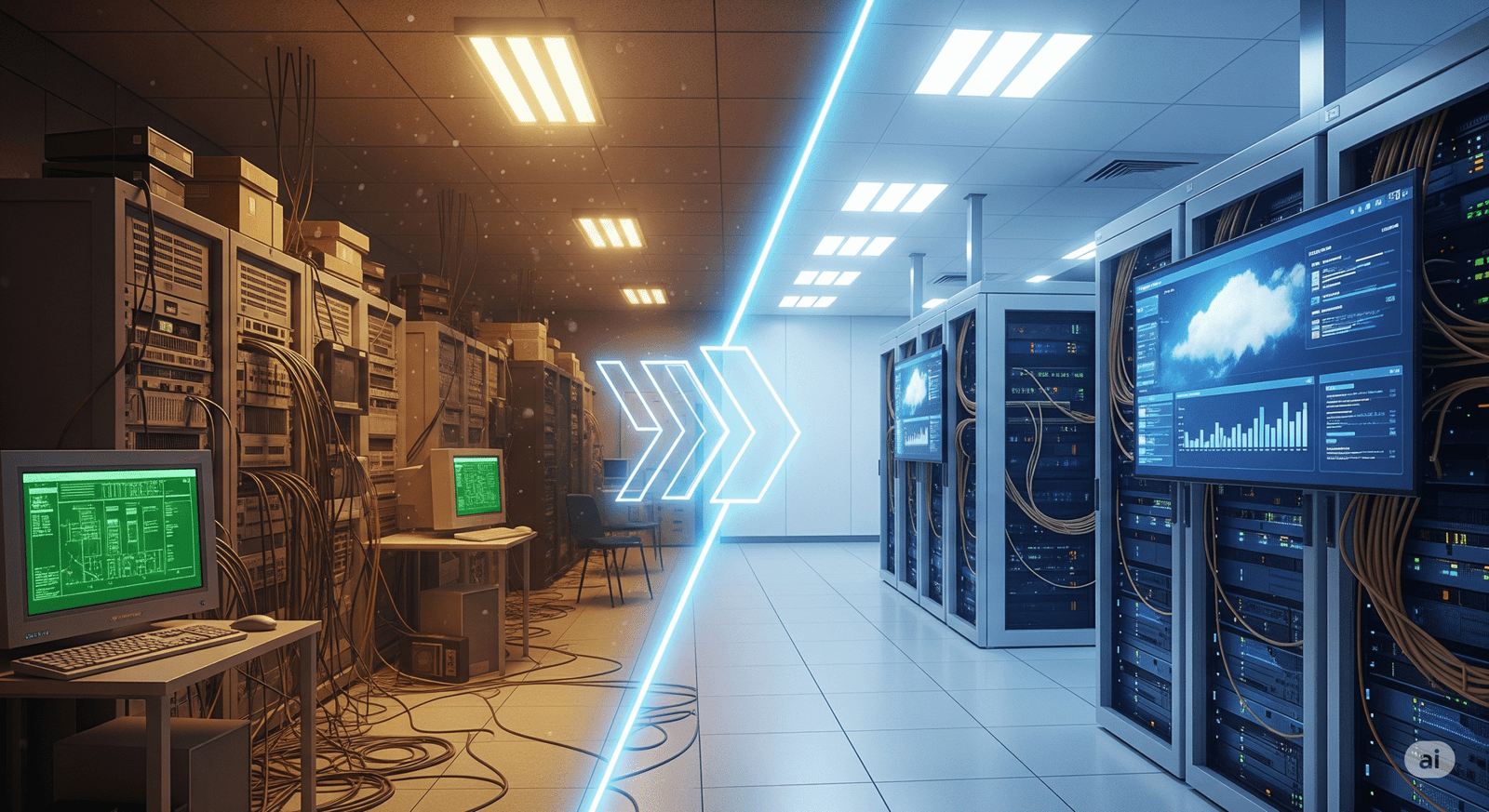
Legacy software modernization is the process of upgrading or replacing outdated applications, systems, or platforms to meet today’s business, security, and customer demands. Instead of starting from scratch, modernization transforms old systems into efficient, scalable, and secure solutions that support digital transformation.
Think of it as renovating your business “digital house.” You don’t always need to tear it down—you enhance, redesign, and add smart features to future-proof it.
Common Signs Your Business Needs Modernization
- Frequent downtime or slow performance
- Difficulty integrating with modern tools or APIs
- Rising maintenance and security costs
- Poor customer experience due to outdated interfaces
- Limited support for mobile or cloud platforms
Processes Involved in Legacy Software Modernization
Modernizing software isn’t just about replacing old code—it’s a strategic journey. Here are some common approaches:
1. Replatforming
Moving applications to modern platforms like cloud services (AWS, Azure, GCP) for improved scalability and reduced infrastructure costs.
2. Refactoring
Rewriting parts of the codebase to make it more efficient while maintaining functionality.
3. Rehosting
Also known as “lift and shift,” this involves moving the system to a new hosting environment with minimal code changes.
4. Rebuilding
Developing the software from scratch using modern technologies when the old system is too outdated.
5. Wrapping & API Integration
Encasing legacy applications with APIs to make them compatible with newer systems.
👉 If you’re curious about how modernization connects with application support services, check out our Application Support Services blog for more insights.
Benefits of Legacy Software Modernization
The ROI on modernization is significant. Here’s what businesses gain:
- Enhanced Performance – Faster load times, fewer crashes, and seamless integrations.
- Improved Security – Legacy systems are vulnerable; modernization ensures compliance with the latest security protocols.
- Better Customer Experience – Modern interfaces create smoother journeys for users.
- Cost Efficiency – Reduced maintenance and licensing costs.
- Future-Proofing – Cloud adoption and AI readiness keep businesses ahead of competition.
At Talentrise Technokrate Pvt Ltd, one of our clients in the retail sector reduced IT costs by 40% after modernizing their outdated inventory system.
Expert Tips for Successful Modernization
- Audit Before You Act – Assess the existing system’s strengths and weaknesses.
- Prioritize Core Features – Avoid over-engineering by focusing on high-value features.
- Adopt Agile Methodologies – Incremental updates reduce risks and downtime.
- Leverage Cloud Services – Cloud-native solutions offer unmatched flexibility.
- Choose the Right Partner – Experienced teams like Talentrise Technokrate Pvt Ltd ensure smoother transitions.
What About You?
We want to hear your story!
- Are you struggling with outdated systems in your business?
- What challenges do you face with maintenance and integrations?
- If you could modernize one part of your software, what would it be?
👉 Share your thoughts in the comments or contact us for a free consultation. Your story might inspire others!
Conclusion: Your Next Step Toward Digital Transformation
Modernizing legacy software aims to maximize business potential rather than merely improve technology. You can improve customer experiences, safeguard your company from risks, and get ready for future innovations by modernizing.
At Talentrise Technokrate Pvt Ltd, we’ve witnessed firsthand how modernization changes businesses, from cutting expenses to increasing productivity and securing operations for the future.
👉 Now it’s your turn:
- Have you modernized your legacy systems?
- What challenges did you face, and what benefits did you see?
Drop your thoughts in the comments or reach out to us directly. Let’s make your technology a growth enabler, not a barrier.